

Every time an automobile gets wrecked, questions start to surface quickly. Exactly what happens when a collision center surveys your car? And in what way does your insurance provider enter the scene? First of all, companies like advance auto collision center join the scene. As they work on restoring safety and style, they firmly grab soon-to-be-fixed car bodies.
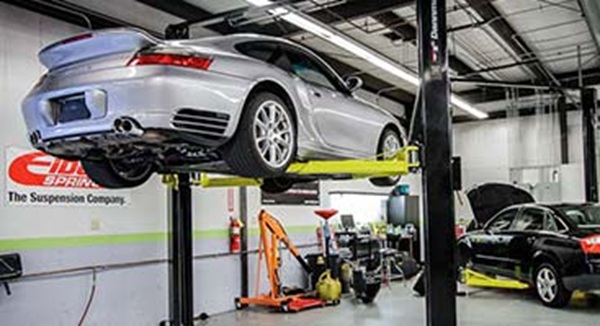
The process begins long before any hammer comes into touch with metal. Professionals swing by equipped with a set of instruments and keen eye. They look at your car’s basic construction. Structural damage is not surface dings in peak-a-boo. Rather, it can cover ingrained problems in components supporting important loads. Built to cushion impact, car frames might flex under an accident’s force. Experts search for twists, bends, and fissures that might compromise that safety net. They also look at how stress and vibration could affect the result of repairs.
Sometimes technicians talk like they are debating a piece of art. Still, it’s nothing fancy; they have tools, standards, and often seconds to decide on a repair plan. “It’s like assembling a rather difficult jigsaw puzzle,” one technician said. Every component needs to fit exactly to guard the safety of the vehicle. One uses instruments such as computerized frames or laser measuring machines. These help them to establish reasonable benchmarks and determine whether replacement components are required. It combines modern technology with the hand of a craftsman.
Things start to become interesting when body panels are changed or fixed. Some damage calls for complete part removal prior to any welding or realignment. Welding could provide the impression of sparks flying and all is fixed. Actually, good cooling time and accurate work are quite vital. Should fusion go wrong, you could run unforeseen hazards down the road. The way the technician allocates time to every weld strikes a careful mix between safety and speed. There is no one-size-fits-all cure here.
Every collision center moves in a set sequence that gives performance and safety first priority. Technicians first finish a thorough technical and visual inspection. Diagnostics then take front stage to evaluate whether parts require total replacement rather than those remaining in use. Even repair shops use past repair data patterns. Accidents have repeating damage patterns, and experience usually speaks louder than a warranty manual. Customers who understand that every action counts build confidence with this century-old company.
Insurance claims bring still another level of complexity to the mix. You rely on the collision center and the insurance company when you submit a claim following an accident to cooperate. To determine whether the incident merits a claim, insurance companies send adjusters who evaluate damage. Both sides rely on honest reporting, reliable assessments, and a common objective—that of getting you safely back on the road. The adjuster might be a nice but strict face outlining which repairs will be subsidized. Sometimes adjusters and technicians even go to the repair business together, have coffee-based conversations, and choose the best course forward.
While movies show this procedure as straightforward, in actual life it is a difficult balancing act. One owner of an automobile related a tale of their visit to a business where every action was recorded, photographed, and explained. They laughed, “except instead of secret codes, they were talking about beam angles and load distribution. I felt like I was in a spy movie.” This kind of correspondence helps to demystify the insurance road map. Open communication among you, the adjuster, and the repair business reduces second-guessing and aggravating wait periods.
Time is money, hence occasionally if left unbridled, miscommunication between the insurance trigger points and repair quality might result in increased expenses. Collision centers usually advise a fast review of your coverage, so you are not surprised. Policies vary significantly. While some cover entire structural repairs, others call for further expenses to cover components. It pays to probe issues like exactly covered under the structural damage clause. Understanding your policy early on will help you avoid later discovery of a hidden expense. According to one poll, almost 60% of accident victims said extra financial suffering resulted from inadequate coverage communication.
Technically, the structural evaluation consists in comparing measures and depending on pre-accidental automobile photos. Should these records exist, the collision center uses them to estimate the degree of necessary repairs. Like 3D scanning, modern technologies provide more dependability during these tests. Technicians may even remember that the car suffers major long-term stress from a basic misalignment. In these high-stakes fixes, accuracy is crucial.
Insurance companies sometimes contest the repair estimate. While professionals advocate for a higher degree of repair, adjusters could reduce the compensation by stating the damage is modest. The tug-of- war can be perplexing and taxing. Think back to a moment when you argued about the degree of a scratch. Consider that feeling hundreds of times multiplied. Professionals in these centers are adept in the art of clearly presenting backup data and documentation. To support their assertions, they cite pictures, laser readings, even professional comments. From the insurance side, a fair choice depends on this information.
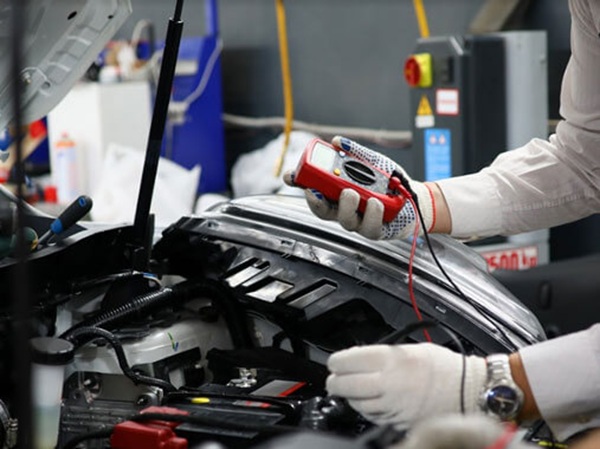
Though it’s not magic, vehicle repair does resemble a high-stakes puzzle. After a collision, every part of the car tells a different tale. While uneven panel paint talks of hurried adjustments, a bent rim could indicate more significant interior movements. Experts rely on sophisticated diagnostic equipment paired with industrial knowledge. Sometimes they operate in erratic conditions since every car and accident presents a fresh obstacle. The repair shop reacts quickly after an accident, combining practical knowledge with a bit of detective work. “We run every test to be sure nothing will go wrong later on,” one technician said, likering the check-up to a health exam.
Some collision shops schedule extra time to examine structural integrity following primary repairs. Customers should drive away feeling safe as well as looking beautiful. It’s like making sure the toaster’s bread pops out with the correct toastiness twice-checked. A little mistake could cause a chain reaction of later problems. Constant quality control at every level helps to prevent that; professionals certify that modifications satisfy accepted safety criteria. This degree of attention ensures that even if you might not be aware of the behind-the-scenes effort, you gain from a safely repaired car.