

Today’s collision centers deal with a lot of pressures: consumer expectations, safety rules, environmental issues, etc.. Modern repair facilities have evolved depending on quality inspections that exclude all possibility. Many centers have an advanced collision center design that stresses accuracy and safety. Technicians follow rigorous processes in repair bays humming with activity to make sure every repair satisfies high requirements. The approach may be like a highly practiced dance; every movement quality-checked and every step approved.
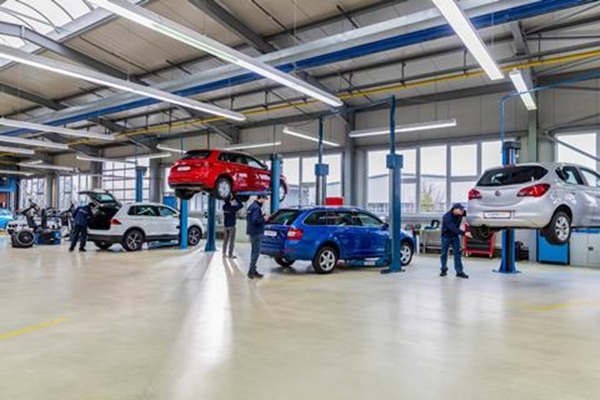
There are several ways these repair firms use quality control techniques. While some stores log every repair action using digital systems, others rely on color-coded checklists. Over years, these techniques have been honed to lower expensive mistakes. Sometimes a specialist verifies the alignment of a car; other times another double-checks the paint job for manufacturer shade consistency. Every little detail counts. When one technician notes a minor flaw, it starts a team discussion combining real concern with technical expertise. Peer assessment in this culture has made repairs more dependable and quick.
Repair facilities also follow industry norms established by independent bodies. For instance, I-CAR and ASE are very important since they confirm repair methods and technician competency. Programs for certification call for ongoing education so that employees remain current with the newest repair techniques. Regulatory bodies in California alone check facilities to ensure that environmental policies meet standards. Such tests have raised customer satisfaction levels and reduced rework rates. Customers that see their car back on the road looking perfect feel comfortable in the hands of these experts.
Modern auto repairs now incorporate far more advanced environmental regulations. Many stores use devices that directly record dangerous chemical vapors coming from the source. Standard practice now includes safe disposal techniques for old fluids and special filtering systems. Not only has waste disposal changed but also everything else. Centers process and recycle materials, not throw them into sewers. Laws in many areas now let repair shops run only if they follow rigorous standards for the discharge of volatile organic compounds. New equipment detects leaks in real time and shuts off operations should excess fumes show. From the first vehicle check until the disposal of old parts and fluids, this concentration on environmental management influences every aspect of the business.
Changing environmentally friendly habits has also given extra advantages. By recycling water and, if at all possible, reusing solvents, repair companies cut running costs. Actually, several institutions claim that chemical waste has dropped about forty percent recently. Their expenditures in more modern, energy-efficient appliances pay off in terms of cost savings as well as lessening of environmental impact. Many times, staff members smile and say, “We’re saving the planet one repair at a time.” This is a statement that combines a lot of real dedication with some fun.
Using quality checks in collision centers requires more than just following directions. Every finished repair presents a challenge to enhance the next one, notes a technician who works meticulously, methodically. The challenge may be technical at times; other times it may be a race against the clock. Time is money in busy repair shops, hence any delay may affect the whole schedule of a shift. Still, technicians are driven toward accuracy. They depend on contemporary diagnostic tools capable of fast problem identification as well as experience. It’s a juggling act between caution and speed.
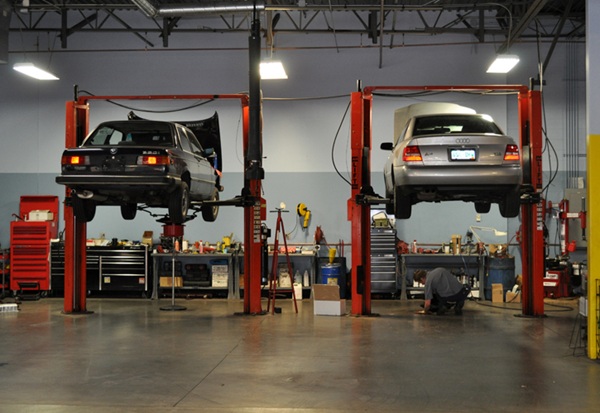
Regular training courses covering both environmental handling and repair techniques are another way employees engage. Many institutes plan practical seminars where experts teach techniques to reduce waste and demonstrate safe chemical handling. Lean manufacturing techniques provide ideas for some training courses meant to cut non-value-adding activities. One technician previously related an account of how weekly hours of work were saved by substituting a single regular technique. Other employees embraced that concept and discovered they felt strangely pleased to help to raise general production levels. That kind of input drives ongoing development everywhere.
Maintaining good standards depends mostly on customer comments. Everyone’s morale increases when a repair shop gets compliments for its quick turnaround or polite approach of handling its procedures. Sometimes patrons even remark on the environmental friendliness of a business. These days, more and more people wish to know whether their car was rebuilt using ecologically friendly methods. This change in customer behavior has prompted institutions to post their records on environmental performance online. On websites or in waiting rooms, numbers on water recycling, energy savings, and waste reduction are clearly shown.
Many collision centers make investments in new technologies to assist environmental initiatives as well as quality efforts. For instance, automated alignment systems precisely help to repair frame deterioration. These technologies not only save time but also help to lower recurring repair risk. Other stores have set up aqueous paint systems that reduce dangerous emissions relative to conventional techniques. Government incentives supporting environmentally friendly company practices often help to foster such advancements. The way repairs are done has been fundamentally changed by the inclusion of high-tech machinery into daily activities.
Sometimes funny stories provide a softer accent to these hectic activities. One technician related how a repair error became a teaching moment when a misaligned bumper resulted in an unplanned family road trip picture session. The family laughed off the mistake, and the technician subsequently teased about how a mistake turned into an unanticipated memory. Stories like this, told during lunch breaks, remind everyone that behind every excellent fix is a human narrative full of friendship and growth.
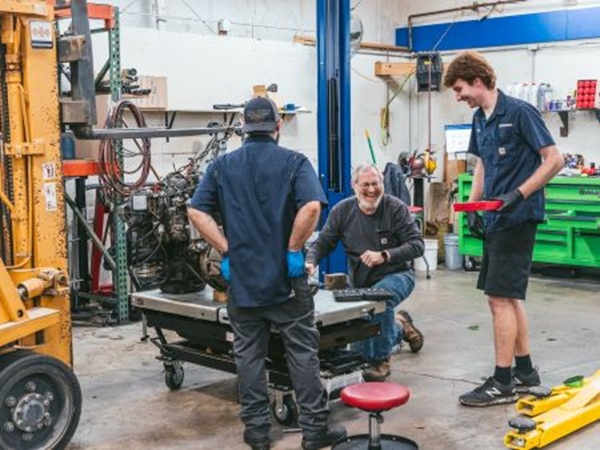
Many states closely watch environmental policies. Data shows that facilities with strict policies have better worker safety records and less chemical mishaps. According to a recent industry study, modern filtration systems have been purchased in over 75% of repair shops in areas with tight laws. Such numbers are a meager gesture of appreciation for the diligence put out by shop owners and professionals both.
In the realm of modern auto repairs, teamwork is absolutely essential. Centers closely coordinate with vendors to get goods satisfying environmental criteria and quality standards. Auto part manufacturers have increased their standards and added coatings that reduce manufacturing waste and last longer. Parts vendors, technicians, and environmental specialists working together creates a system of responsibility. These days, every supplier contract usually contains stipulations requiring a cut in hazardous component count.