

It can be difficult to locate a radiator mechanic near me, hence asking the appropriate questions is rather important. At the worst of times, many regular drivers and automobile aficionados deal with radiator problems. You may have found that the knowledge of a radiator professional can make all the difference between a permanent solution and reoccurring problems. This page delves right into the nitty-gritty specifics with a mix of useful questions and a look at the instruments specialists use to verify radiator operation.
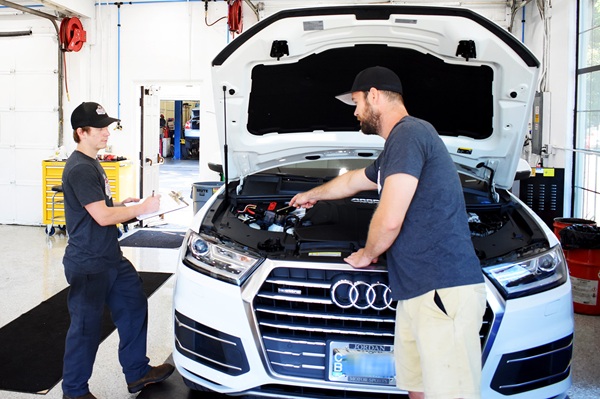
One could start by inquiring about the specialist’s knowledge with several radiator models. Find out how many years they have spent working on like automobiles. You can ask, “I’ve experienced radiator problems twice this year—what is your background with these issues?” This question lets you know if the expert has worked on a limited range of vehicles or if they have handled various radiator designs. A courteous dialogue can expose much about the actual capacity of a specialist.
Ask them about the technician’s received training. Many times, professional qualifications and training provide information on a person’s degree of dedication. You might wonder, “Did you go to any specialized courses or seminars targeted on radiator systems?” Make sure you get a straight, direct answer. Not every mechanic can claim specialism in radiator repairs. Knowing this ahead of time saves money and time should issues show up down the road.
Furthermore crucial is knowing the kind of diagnostics applied before to beginning any kind of repair project. Inquire as to, “What diagnostic tests will you perform before attempting to fix my radiator?” A trustworthy professional will explicitly outline their diagnostic approach. To look for leaks or inefficiencies, mechanics can utilize thermal cameras, pressure testers, and computerized systems. Some even own portable digital testers with fast temperature change recording capability. These instruments enable them to find underlying problems that a casual review would overlook.
Why inquire about the instruments? Since every tool relates a narrative. Modern pressure testers copy the pressure in your cooling system. They sometimes expose latent fissures or failing seals. Another tool able to identify cold areas in a heated engine compartment is a thermal imaging camera. This means the camera picks the cold spots pointing to leaks even if you see steam. Sometimes more exact analysis calls for pinch tests and suction gauges. Knowing the instruments helps you to realize that your radiator issues will be fully examined.
One could also find it interesting to inquire about the projected job completion times. Said another way, “How long should I expect the repair work to take?” While some experts search their brains over complex procedures, others discover rapid answers from simplicity. A direct response also displays the mechanic’s confidence in their knowledge.
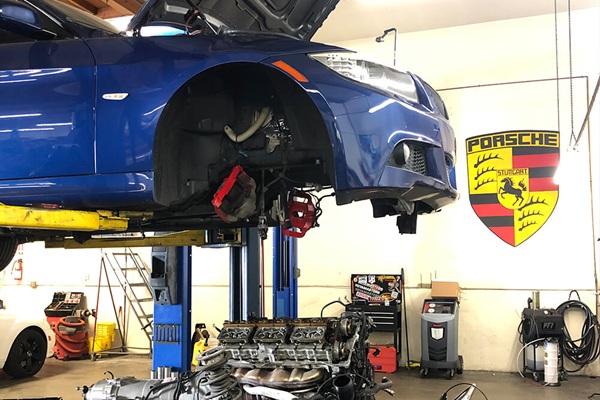
Clarifying costs is sometimes rather important. Ask, “Can you breakdown the charges for labor, parts, and any diagnostic tests?” A simple charge estimate indicates whether a service matches your budget or whether you should give another provider some thought. Many professionals will offer a written analysis that helps to prevent potential misinterpretation of the final invoice. Remember, sometimes inexpensive repairs cover costly follow-up problems.
Many drivers also have to wonder whether the professional provides any warranties on their job. If the radiator fails once again shortly following the repair, a clear warranty guards you. “Do you offer any form of guarantee or warranty on your repairs?” you might inquire. You can have peace of mind with a basic yes or no response plus warranty length. Warranties show that the expert is sure about the quality of repairs.
While the radiator is in for repair, some drivers could be concerned about other problems. Ask, “Have you seen any other issues while looking over the radiator?” A competent technician might find evidence of extra wear. This discussion can help you steer clear of more breakdowns. The mechanic seems to be inviting you to investigate more possible problems that can cause trouble down road.
Ask past clients for recommendations without delay. Although it could be embarrassing, getting contact details from former customers helps you confirm that the technician’s job claims are accurate. One could inquire, “Can you provide some contacts of consumers who had similar repairs done recently?” Reviews and references are like road signs pointing to dependable service—or a caution you could ignore.
When talking about the tools mechanics use, some specifics help to highlight the expertise of a specialist. Many experts rely on pressure test kits including gauges mimicking cooling system pressure. Though they are not pricey, these really perform magic. Many kits, for example, provide adapters for several hose diameters. This produces an instantaneous showing of the system’s pressure before any leakage symptoms show up.

One often used instrument is the analyzer for cooling systems. This little tool monitors the antifreeze to water ratio. A right ratio helps stop overheating and corrosion. In cold weather, an improper mix may lead to lumps or even freezing conditions. One must test the chemical equilibrium, and these analyzers accomplish it quickly. It saves time and gives any regular auto maintenance session value.
Usually carrying thermometers to monitor engine temperatures are technicians. Many prefer digital devices because of their fast readings; analog thermometers occasionally offer a more hands-on feel of the circumstances. In either case, knowing the engine has heated above a reasonable level helps one confirm the radiator is working as it should. A reliable mechanic will boldly show you the results from their thermometer.
A trip through simpler times could serve as a reminder that some mechanics still hunt leaks using dye tests. They dope the cooling system with a luminous color. Even the smallest hole lights up like a disco ball under an ultraviolet light. This approach rapidly finds not-so-obvious leaks maybe hiding in engine bay crevices. Though it sounds like a party trick, this is a useful technique saving time and money.
Tools in the toolbox also often include visual examination instruments. Many times, a mechanic uses a magnifying lens to examine the radiator fins in search of minute rust indications. To eliminate buildup both before and after the repair, even some professionals would dip a brush in cleaning solutions. Although the procedure is straightforward, it reveals the commitment required to check every nook and corner of the radiator. A new look at the parts can find problems before they show up as road-based full-scale failures.