

Car enthusiasts realize that nothing compares to expertise and the proper qualifications in a world when accuracy meets enthusiasm. For owners looking for excellence, an auto body shop bmw with the relevant credentials makes all the difference. For technicians, specialty certifications serve as a badge of honor and indicate that a workshop has been equipped with the precise tools required for upscale BMW repairs. These certifications reflect hard-earned abilities, thorough training, and adherence to exacting safety criteria—not just words on a wall.
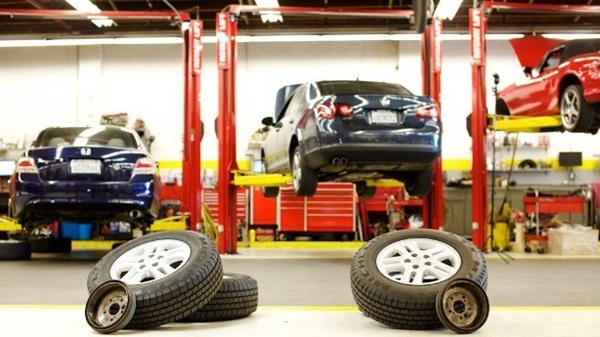
Type and extent of body shop certifications vary. I-CAR is one important accreditation that requires technicians to finish ongoing training courses to keep current with the newest repair procedures and hone their skills. In the collision repair business, I-CAR’s certification is much valued. Shops displaying this mark have seen many theoretical assessments and practical examinations. They are ready to manage the cutting-edge repair techniques and complex materials required of modern BMWs.
OEM manufacturers offer still another crucial certification. Repair facilities recognized by BMW satisfy strict criteria defined by BMW. These stores choose approved repair techniques and parts that complement manufacturer original equipment. Direct training and updates from BMW experts also abound. This certification says volumes about the shop’s dedication to maintaining BMW vehicle safety, performance, and quality. Crucially when facing new problems in automotive production technologies, a BMW-certified plant also has a tight relationship with BMW’s research labs and technical support teams.
Many vehicle repair facilities also have certificates from the ASE, or National Institute for Automotive Service Excellence. ASE is mostly concerned with the mechanics and technicians who must become experts in modern vehicle repair techniques. An ASE-certified technician is like a chef with a master’s degree in taste balancing; they are aware of every subtletie of their trade. The industry as a whole recognizes this qualification, and one cannot overestimate the credibility it commands.
A reputable repair business also has a lot of expertise working with advanced paints and finishes. BMWs are renowned for their perfect appearance, and keeping that look calls more than just a basic spray gun. The method calls for exact application methods, multi-layer coatings, and superior color matching technologies. Using technology that detects the exact composition and color of paint, a company certified in correct paint and finish repairs employs They even replicate occasionally mirror-like quality or deep, lustrous sheen found in manufacturing finishes. Often using computer-guided matching techniques that have transformed the field, the technique has

Painting a BMW calls for accuracy; it’s like creating a masterpiece. Certified shop technicians can keep to original standards while fixing paint irregularities, structural dents, and scrapes. They use a variety of premium materials that replicate natural finishes. Every batch is tested before use; paint mixing equipment are routinely calibrated. When mistakes arise, the training investment helps to quickly correct faults so that your BMW seems to have never suffered any damage at all. Workshops with the appropriate certifications have made investments in modern environmental controls that reduce overspray and support a clean work environment, therefore improving the finish quality.
Still another essential component in this trade is constant learning. Investing in the development of their employees helps workshops maintain their teams informed on cutting-edge technologies, innovative repair techniques, and premium painting products. Imagine a team that continuously adjusts their approach even after decades of racing; every training session is one more lap toward excellence. These courses provide hands-on experiences that lower the possibility of human mistake and go much beyond conventional classroom environments.
Many times, shop owners support openness on the credentials they carry. They think the client should know the condition of their car under capable hands. Certificates are often proudly on show in waiting areas. This open show not only fosters confidence but also teaches consumers what to search for when selecting a repair facility. This apparent dedication can help you to relax if you have ever been uncomfortable about handing your beloved car to someone else.
Not least of importance is the financial one. For the buyer as well as the shop, certification usually requires an outlay of funds. Because of their premium services, certified stores usually charge a little more; nonetheless, many consumers value the extra expense for peace of mind. Investing a little more at a shop with qualified technicians will pay off for long-term vehicle maintenance. Specialized repair businesses operate more quickly and precisely when crashes or paint damage results, therefore lowering future repair demands. Many times, choosing a certified facility can also facilitate warranty repairs and insurance claims. Usually, insurance companies prefer repair orders from approved vendors since the repairs follow rigorous standards and are more consistent.
BMW painting systems have developed quite a bit. Modern BMW finishes sometimes use several layers, including luster-adding, clear coatings. While some systems have self-healing qualities to fight minor scratches, others have built-in UV protection to stop fade. These developments suggest that mending techniques have to make exact chemical use and timing. A finish costing thousands of dollars on a new car might be ruined by a mistake with the incorrect component or temperature setting. Properly educated technicians understand the delicate balance needed to create and apply coatings that precisely match color and reflecting characteristics.
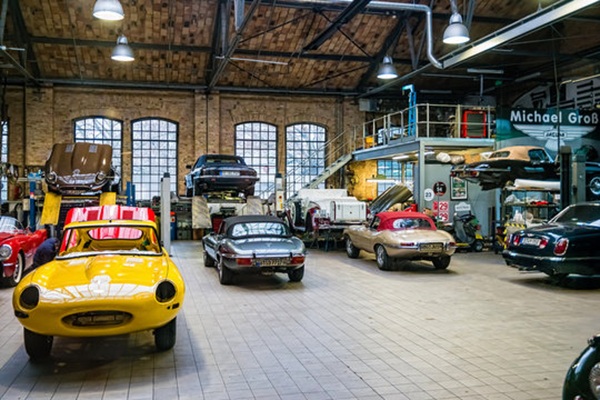
Tools available in a certified shop also count. Although garages may have identical basic collision repair gear, many accredited shops make investments in diagnostic tools measuring paint layer density and thickness. They faithfully restore panels using laser-guided alignment technologies. Maintaining every curve and edge true to the original design is made possible in great part by these instruments. Many times, these diagnostic instruments are upgraded yearly to handle the most recent materials and technical modifications. Such high-grade equipment purchases enable repair firms produce a product that meets strict quality criteria.
One could liken the connection between a technician and a consumer to a doctor-patient relationship. The same is true with your beloved BMW; you wouldn’t hand your health to someone whose credentials you couldn’t confirm. When talking about repair projects, highly trained professionals often express clearly the work required and the cost of the repairs. They can precisely list the kind of certification their work satisfies and explain why it is crucial. Their thorough explanations enable consumers to decide on repairs based on knowledge and save later unanticipated expenses.